
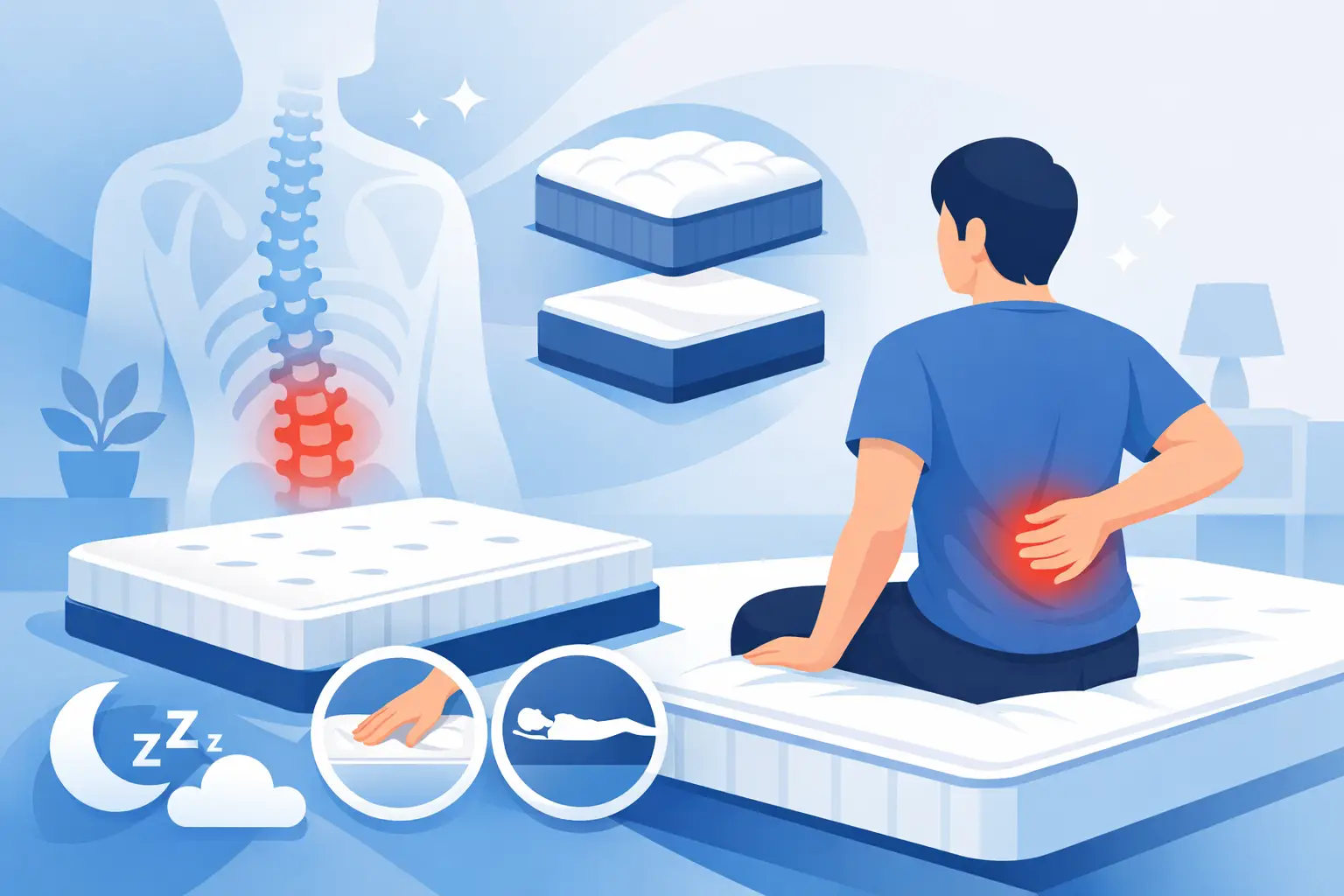
Best Mattress for Back Pain: What to Buy
Back pain has a way of showing up before your feet even hit the floor. If you wake up stiff, sore, or already shifting around to get comfortable, your bed may be part of the problem. Finding the best mattress for back pain is not about chasing the most expensive model on the floor. It is about getting the right support, the right feel, and the right value for how you actually sleep.
A lot of shoppers assume a harder mattress is automatically better for a bad back. Sometimes it is. Sometimes it is not. The truth is simpler than the mattress industry likes to make it sound. Your spine needs support, your pressure points need cushioning, and your body type and sleep position matter more than fancy labels.
What makes the best mattress for back pain?
The best mattress for back pain usually keeps your spine in a more neutral position while you sleep. That means your hips should not sink too far, your shoulders should not get jammed up, and your lower back should not be left hanging without support. If a mattress is too soft, your body can dip out of alignment. If it is too firm, it can create pressure that makes you toss and turn all night.
For most people, a medium to medium-firm feel is the sweet spot. That range tends to give enough pushback to support the lower back without feeling like you are sleeping on the floor. Still, there is no one-size-fits-all answer. A lighter side sleeper may need more contouring, while a heavier back sleeper may need a firmer, more supportive mattress to keep the spine level.
This is where smart shopping matters. You do not need to pay luxury showroom prices to get real support. You need to know what to test and what to ignore.
The best mattress type for back pain depends on how you sleep
Back sleepers
Back sleepers usually do best on a mattress with solid lumbar support and a medium-firm feel. The goal is to keep the hips from sinking lower than the chest. If that happens, the lower back can arch and tighten overnight. A good back-sleeper mattress feels supportive through the center of the bed but still has enough comfort on top to avoid pressure buildup.
Hybrid mattresses often work well here because they combine coil support with foam comfort. A well-built innerspring can also be a strong value if it has a supportive coil system and a comfort layer that does not bottom out.
Side sleepers
Side sleepers with back pain usually need a little more pressure relief around the shoulders and hips. If the surface is too firm, the body cannot settle in naturally, and that can throw off spinal alignment. On the other hand, too much softness can let the midsection dip too far.
A medium mattress with responsive foam or a cushioned hybrid design is often a strong fit. The key is contouring without sagging. That balance can reduce both shoulder pressure and lower back strain.
Stomach sleepers
Stomach sleeping is often the toughest position for back pain. It tends to pull the lower back into an arch, especially on softer mattresses. If you sleep on your stomach, firmer support is usually the safer choice. You want enough resistance to keep the hips lifted and the spine from bending too much.
A firm innerspring or firm hybrid is often a better match than a plush all-foam model. Thin pillows can help too, but the mattress still does most of the work.
Combination sleepers
If you move around at night, you need a mattress that feels balanced in every position. Too much sink can make it harder to change positions, and too much firmness can make side sleeping uncomfortable. A medium-firm hybrid is often the most practical choice because it gives support, cushion, and easier movement.
Firmness matters, but support matters more
Shoppers get hung up on firmness because it is easy to talk about. Support is the bigger issue. A mattress can feel firm and still do a poor job supporting your body. It can also feel fairly comfortable on top while keeping your spine aligned underneath.
That is why two mattresses with the same firmness rating can feel completely different for back pain. The coil system, foam density, comfort layers, and edge support all play a role. If the mattress starts sagging early, it will not matter how good it felt in the showroom.
For budget-conscious shoppers, durability is part of pain relief. A mattress that loses support too quickly can put you right back where you started. Look for models that feel stable through the center and do not let your hips drop when you lie down.
Mattress materials and how they affect back pain
Memory foam can be a good option if you want pressure relief and motion reduction. It contours closely and can help reduce painful pressure points. The downside is that some memory foam beds can feel too soft, too warm, or too slow to respond, especially for combination sleepers.
Innerspring mattresses are often a strong value choice, and many people still prefer the more traditional, supportive feel. They tend to sleep cooler and offer more bounce. The catch is that a basic innerspring with thin padding may feel too firm for some sleepers with back and hip pressure.
Hybrids are popular because they blend both worlds. You get the support of coils with the comfort of foam or pillow top layers. For many people shopping for the best mattress for back pain, a hybrid lands right in the middle of support, comfort, and long-term value.
Latex mattresses can also work well because they are supportive, responsive, and durable. They usually have more bounce than memory foam and less sink. Some shoppers love that feel. Others prefer more cushioning.
Signs your current mattress is making your back pain worse
Sometimes the mattress is obviously worn out. Other times the clues are more subtle. If you wake up sore but feel better after moving around for 20 or 30 minutes, your mattress may not be supporting you properly. If you notice visible sagging, body impressions, or a dip in the middle, that is another strong sign.
You should also pay attention if your mattress feels better at first but your pain gets worse over time. Materials break down gradually, and support usually fades before the bed looks completely finished. If your mattress is around eight to ten years old, replacement may be the most practical fix.
How to shop smarter without overpaying
This is where a lot of people get frustrated. Mattress shopping gets complicated fast because big retailers often push branding, add-ons, and high markups. If your goal is better sleep and less back pain, stay focused on comfort, support, and price.
Start by testing mattresses in your normal sleep position, not just sitting on the edge for ten seconds. Lie down long enough to feel whether your lower back is supported and whether your hips are sinking too much. If you sleep with a partner, test together. Motion transfer, edge support, and total surface space matter more when two people share the bed.
Do not assume the highest price means the best result. Many shoppers can find real relief on brand-name closeout or discontinued models at a much better price than traditional retail. That is especially true when you buy from a local store that keeps overhead lower and focuses on value instead of showroom theatrics. Greenville Mattress Company serves a lot of shoppers who want exactly that – straightforward help, recognized brands, and prices that make sense.
A few trade-offs to keep in mind
If you want a very plush feel, you may sacrifice some support. If you want an extra-firm mattress, you may create pressure issues in your shoulders or hips. If you want the lowest possible price, you may need to be flexible on fabric details or model year to get the best overall deal.
That does not mean settling. It means buying based on what actually helps your back instead of paying extra for features that sound impressive but do not change how you sleep.
When a mattress alone is not the full answer
A better mattress can absolutely help with back pain, but it is not a cure-all. Your pillow, sleep position, foundation, and any underlying medical issues still matter. If your back pain is severe, constant, or getting worse, it is worth talking with a medical professional too.
Still, your mattress is one of the biggest pieces of the puzzle because you spend hours on it every night. If it is not supporting you well, your body feels that cost over and over again.
The right mattress should help you wake up with less stiffness, not more. Start there, shop with a clear eye, and look for support that fits both your back and your budget.