
Do Mattress Protectors Work? What They Really Stop
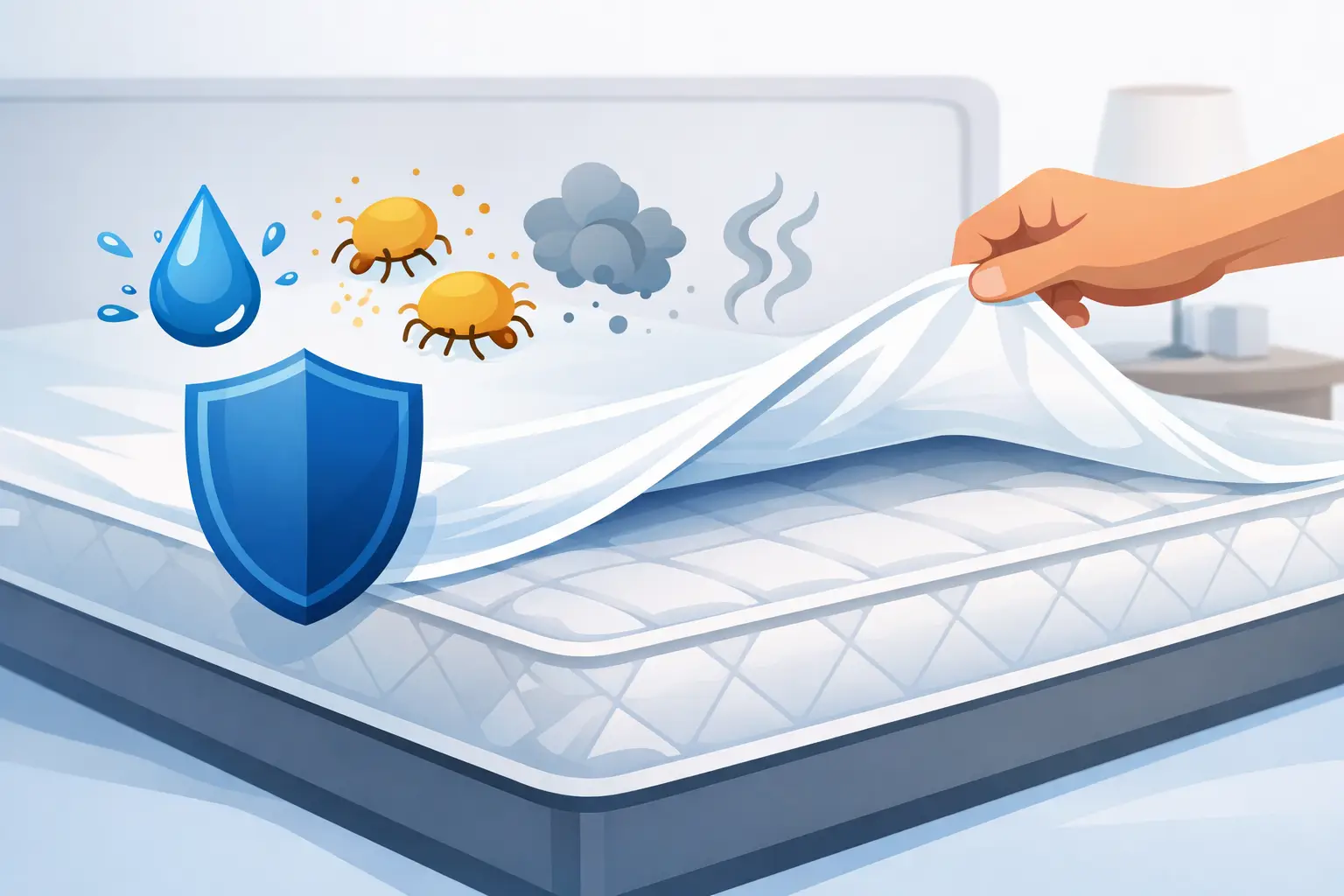
That coffee in bed, a sick child at 2 a.m., a sweaty South Carolina summer night, or a new puppy with questionable timing can turn an ordinary mattress into an expensive problem fast. So, do mattress protectors work? A good one does – but only when it fits properly, has the right kind of barrier, and gets washed before a small mess becomes a permanent stain.
A mattress protector is not a magic shield that makes a mattress indestructible. It is a practical first line of defense against spills, sweat, skin oils, dust, and everyday wear. For shoppers buying a new mattress set on a budget, that protection can help preserve the comfort, appearance, and usable life of the mattress without spending a fortune.
Do Mattress Protectors Work for Spills and Stains?
Yes, most quality waterproof mattress protectors are made specifically to stop liquid from soaking into the mattress. The surface fabric absorbs or redirects the spill while a thin waterproof backing prevents moisture from reaching the foam, fibers, or springs underneath.
That matters because a mattress cannot simply be tossed into the washing machine after an accident. Once liquid reaches the inside layers, it may leave an odor, create a stain, break down comfort materials, or take a very long time to dry. A protector is much easier to remove, wash, and put back on the bed.
Still, waterproof does not mean you should leave a spill sitting overnight. Blot the area promptly, remove the protector, and wash it according to its care label. If a large amount of liquid runs off the edge of the bed or gets through an unprotected side panel, even the best top barrier cannot fully save the mattress.
What a Mattress Protector Actually Helps With
The main benefit is liquid protection, but it is not the only reason people use one. Every night, mattresses collect perspiration, body oils, dead skin, hair, and residue from lotions or hair products. None of that is dramatic, but it adds up over years of use.
A washable protector puts a removable layer between you and the mattress. That can be especially useful for children’s beds, guest rooms, rental properties, college-bound students, pet owners, and anyone buying a mattress they plan to keep for several years.
A protector may also help reduce exposure to dust and allergens on the sleep surface. However, shoppers should be clear on the difference between a standard waterproof protector and a fully encased mattress cover. A fitted-sheet-style protector covers the top and usually the sides. An encasement surrounds the entire mattress and zips closed, making it the better choice when full coverage is the priority.
What Mattress Protectors Cannot Do
A protector cannot repair an old mattress, make a worn-out bed supportive again, or stop a mattress from naturally losing comfort over time. If you wake up with back pain because the mattress is sagging or no longer fits your sleep style, adding a cover will not fix the underlying issue.
It also will not stop bed bugs unless it is specifically designed as a certified full encasement. Do not assume every product labeled “protector” offers that level of coverage. Read the package details and make sure the product matches the problem you are trying to solve.
Some people also expect a protector to keep their mattress perfectly clean forever. Real life is messier than that. Moisture can still reach a mattress through uncovered edges, tears, improper fit, or a protector that has worn down after repeated washing. Think of it like a rain jacket: very useful when it is in good condition, less useful if it has holes.
Will a Waterproof Protector Make the Bed Hot or Noisy?
It depends on the material. Older waterproof covers often had a stiff plastic feel, trapped heat, and made a crinkling sound whenever you moved. Many newer protectors use a thin polyurethane membrane instead. This type of backing is generally quieter, more flexible, and more breathable than vinyl or plastic-style materials.
That said, no waterproof layer is exactly the same as sleeping directly on bare fabric. A very inexpensive protector may feel slick, make noise, or sleep warmer than you like. This is one area where the cheapest option is not always the best value.
If you already sleep warm, look for a protector with a breathable top fabric such as cotton, Tencel, bamboo-derived rayon, or another moisture-wicking blend. A thin, fitted design is usually better than a heavily padded cover if your goal is protection without noticeably changing the feel of the mattress.
For shoppers who want extra softness, padded protectors can be comfortable, but they should not be confused with a true mattress topper. They add a little cushion and surface loft, not enough support to change a too-firm or too-soft mattress in a meaningful way.
How to Choose a Mattress Protector That Fits
Start with mattress size, then check mattress depth. A standard queen protector may not fit well on a tall pillow-top mattress, and a loose protector can bunch up under the sheets. Measure the height of your mattress from the bottom edge to the top and compare it with the pocket-depth range listed on the protector.
A good fit should stay in place when you move around and should reach under the mattress corners without pulling tight. If you use an adjustable base, a deep-pocket fitted protector is usually the most convenient choice because it can flex with the mattress.
When comparing options, focus on the details that affect everyday use:
- Waterproof backing that protects against spills without a thick plastic feel
- A breathable surface fabric if you tend to sleep hot
- Deep pockets that match the height of your mattress
- Machine-washable care instructions that fit your household routine
- A secure fitted or zippered design, depending on the coverage you need
For a child’s room or a home with pets, buying a second protector is often a smart move. When one is in the wash, the bed is still protected. It is a simple backup that can save a lot of hassle after an unexpected nighttime accident.
Does Using a Protector Affect Your Mattress Warranty?
Many mattress warranties do not cover stains, even when the mattress has a separate defect that might otherwise qualify for service. This is one of the strongest practical reasons to use a protector from day one. Keeping the mattress clean helps avoid a situation where a visible stain complicates a future warranty claim.
However, a protector does not guarantee warranty coverage. Every manufacturer has its own terms, and stains are only one part of the equation. Keep your receipt, use a proper foundation or frame, and follow the care requirements that came with the mattress.
At Greenville Mattress Company, we regularly see shoppers spend time comparing comfort, support, and price, then skip the small accessory that protects that investment. When brand-new mattress sets are available at major outlet savings, it makes sense to protect that value with a properly fitted, washable layer.
How Often Should You Wash a Mattress Protector?
For most households, washing it every one to two months is a good routine. Wash it sooner after spills, illness, pet accidents, or heavy sweating. If someone has allergies, washing more frequently may be worthwhile.
Always follow the product label. High heat can damage some waterproof membranes, and fabric softener may reduce absorbency or leave residue behind. In many cases, a gentle wash cycle and low-heat drying are the safer choice.
While the protector is off, let the mattress air out for a few minutes and check for any signs of moisture or damage. That small habit helps you catch problems early instead of finding them months later when it is harder to tell where an odor or stain came from.
Is a Mattress Protector Worth Buying?
For most homes, yes. A protector is one of the lowest-cost ways to help guard a much larger purchase. It is particularly worthwhile for a new mattress, a child’s bed, a guest room, or any household where spills and accidents are part of normal life.
The key is buying the right one, not just buying the first one you see. Choose a breathable waterproof design, make sure it fits your mattress depth, and wash it regularly. A comfortable protector should disappear under your sheets – until the day it saves your mattress from a mess you are very glad did not soak through.